

Blog / Beaman GMC Service

Don’t Let Pollen Win: Why Cabin Air Filter Replacement Matters

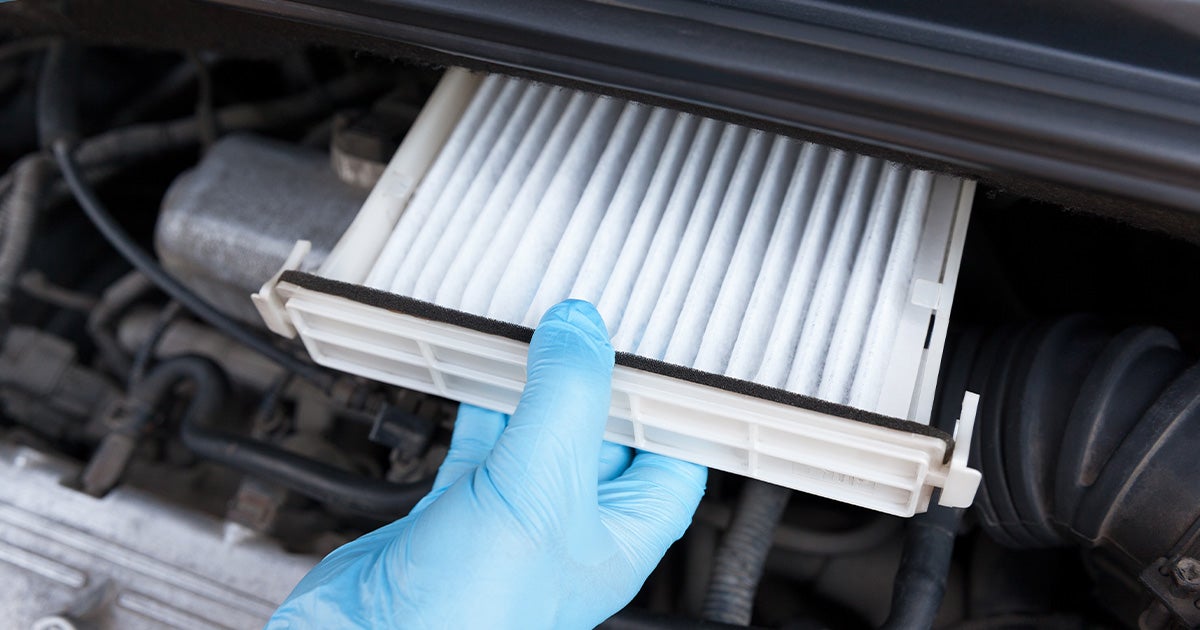
Close-up of a service technician replacing a vehicle's cabin air filter with a new filter.

Springtime in Tennessee brings warmer weather, blooming trees, and unfortunately, heavy pollen. While you may notice the yellow dust coating your car’s exterior, what you don’t see is how much of it tries to make its way inside your vehicle. That’s where your cabin air filter steps in. If you’ve been searching for cabin air filter service near you, or wondering whether it’s time for a replacement, you’re already on the right track. If your GMC needs attention, scheduling service through our online service portal makes it easy to stay ahead of pollen season.  

Key Points 

  • Your cabin air filter protects you from pollen, dust, and other irritants, helping keep the air inside your vehicle clean while also supporting efficient HVAC performance. 
  • Replacing the filter regularly, typically every 15,000 to 30,000 miles, is essential, especially if you notice weak airflow, musty odors, foggy windows, or increased allergy symptoms. 
  • A clogged cabin air filter can strain your AC and heat, reducing airflow, lowering efficiency, and potentially causing premature wear on HVAC components, making timely replacement especially important during heavy pollen seasons. 

What Does a Cabin Air Filter Do? 

Your cabin air filter is your vehicle’s first line of defense against airborne irritants. It traps pollen, dust, mold spores, dirt, and even some exhaust fumes before they enter your cabin through the HVAC system. A clean filter helps keep the air inside your vehicle fresh and breathable, especially important for allergy sufferers during peak pollen months. 

Beyond comfort, a clean filter also helps your HVAC system run efficiently. When the filter is clogged, airflow becomes restricted, forcing your system to work harder to heat or cool your vehicle. 

How Often Should I Replace My Cabin Air Filter? 

While recommendations vary by model, most GMC vehicles need a replacement every 15,000 to 30,000 miles. However, if you live near Nashville, where pollen counts can spike dramatically in spring, you may need to replace it more frequently. 

If you frequently drive in dusty areas, park under trees, or notice reduced airflow from your vents, it’s smart to check your filter sooner. Staying proactive helps keep your cabin air clean and your HVAC system performing at its best. 

What Are the Signs My Cabin Air Filter Needs to Be Replaced? 

A dirty or clogged cabin air filter often shows clear symptoms. Common signs include: 

  • Weak airflow from your vents 
  • Persistent musty or dusty odors 
  • Foggy windows that take longer to clear 
  • Increased allergy symptoms while driving 
  • Louder‑than‑usual HVAC operation 

If you notice any of these issues, it’s time to schedule service. You can also explore current maintenance offers through our service and parts specials to help save on your next visit. 

Can a Dirty Cabin Air Filter Affect My AC or Heat? 

Absolutely, more than you might think. When the filter becomes clogged with pollen and debris, it restricts airflow through the HVAC system. This makes it harder for your AC to cool the cabin in summer and for your heater to warm it in winter. 

Over time, this strain can reduce system efficiency and even contribute to premature wear on components like the blower motor. Replacing the filter is a simple, inexpensive way to protect your HVAC system and maintain comfortable temperatures year‑round. 

Why Cabin Air Filter Replacement Matters During Pollen Season 

Pollen season in Tennessee can be intense, and your cabin air filter works overtime to keep allergens out of your vehicle. Replacing it regularly helps: 

  • Reduce allergy symptoms 
  • Improve air quality inside your cabin 
  • Maintain strong airflow 
  • Protect your HVAC system 
  • Keep your vehicle smelling fresh 

If you’re looking for GMC service near Nashville, our certified technicians can inspect your filter and replace it quickly. We also offer flexible service financing options to help you stay on top of essential maintenance. 

Breathe Easier This Season 

Don’t let pollen take over your driving experience. A clean cabin air filter keeps your vehicle’s interior fresh, protects your HVAC system, and helps you stay comfortable on the road. When you’re ready to schedule your next service, explore our latest service specials and book your appointment through our convenient online scheduler. With the right maintenance, you and your GMC can breathe easier all season long. 

Posted in:

Related Posts

A service technician selecting tires for a car in the service center

Service Questions, Answered

Keeping your vehicle in top condition doesn’t have to be confusing. Whether you’re a new driver or someone who simply wants clearer guidance on maintenance, understanding the basics can help you protect your investment and stay safe on the road. To start your next service visit with confidence, explore our service center for expert care and helpful resources. more Key Points Basic maintenance intervals matter —oil changes, wiper replacements, transmission fluid changes, and tire rotations all follow recommended mileage schedules that help protect your vehicle and prevent costly repairs. Recognizing warning signs keeps you safer, including symptoms like streaking wipers, delayed shifting, uneven tire wear, or shaking when braking, which often indicate parts that need attention. Professional service helps extend vehicle life, with certified technicians providing inspections, routine maintenance, and guidance to keep your car running smoothly and reliably. 1. How Often Should You Change Your Oil? The answer depends on your vehicle, driving habits, and oil type. Oil keeps your engine alive by lubricating its parts and protecting it from overheating. While some modern engines can go longer between changes, most vehicles benefit from fresh oil every 3,000 to 5,000 for conventional and 7,500 to 10,000 for synthetic. If you frequently tow, idle, or drive in extreme temperatures, you may need more frequent service. Checking your owner’s manual or speaking with a certified technician ensures you stay on the right schedule. 2. How Long Do Windshield Wipers Last? Clear visibility is essential for safe driving, especially during rain, snow, or early‑morning fog. The general rule is to change your windshield wipers every 6 to 12 months. However, harsh sunlight, freezing temperatures, and heavy use can shorten their lifespan. If your wipers streak, skip, or squeak, it’s time for a replacement. Fresh wipers ensure your windshield stays clear and your reaction time stays sharp. 3. How Often Should You Change Transmission Fluid? Your transmission is one of the most complex and expensive components in your vehicle, making proper maintenance essential. While recommendations vary, many vehicles require service every 30,000 to 60,000 miles. Clean fluid keeps gears shifting smoothly and prevents overheating. If you notice delayed shifting, unusual noises, or a burning smell, it may be time for a fluid check. Staying proactive helps prevent costly repairs down the road. 4. How Often Should You Rotate Your Tires? Tire health plays a major role in safety, fuel efficiency, and ride comfort. The standard recommendation is to rotate your tires every 5,000 to 8,000 miles. Rotating your tires ensures even wear, extends their lifespan, and improves handling. Pairing rotations with oil changes is an easy way to stay consistent. If you notice uneven tread or vibration at higher speeds, a rotation or alignment may be needed sooner. 5. Why Does My Car Shake When I Brake? One of the most common concerns drivers experience is vibration when slowing down. The cause is often related to worn brake components or warped rotors. Over time, heat and friction can cause rotors to become uneven, leading to pulsation in the brake pedal or steering wheel. Ignoring these symptoms can reduce stopping power and compromise safety. A brake inspection can identify the issue and restore smooth, confident braking. 6. Stay Ahead With Professional Service Routine maintenance is the key to long‑term vehicle health. Whether you need an oil change, brake inspection, tire rotation, or fluid check, certified technicians can help you stay on schedule and avoid unexpected repairs. If you’re due for an oil change, our certified service oil change page provides helpful details on what to expect. Scheduling your next appointment is simple with our online service scheduler, where you can choose a time that fits your routine. Start Your Next Service Visit With Confidence Understanding your vehicle’s maintenance needs helps you drive safer, save money, and extend the life of your car. When you’re ready for expert care, reach out through our contact page and let our team help keep your vehicle running at its best.

A GMC Yukon in the mountains.

Go Big with the GMC Yukon

If you're in the market for a full-size SUV that blends luxury and capability, the GMC Yukon deserves a top spot on your list. With a commanding presence, spacious cabin, and advanced technology, the Yukon is built to handle everything from family road trips to rugged adventures, all while making an unforgettable statement wherever you go. We have the 2025 and 2026 GMC Yukon near Nashville at Beaman GMC, so browse our current inventory to see why this SUV continues to impress. Want to know more? Check out our favorite things about this iconic SUV. Our Top Five Reasons to Buy the GMC Yukon Lavish Interior: The GMC Yukon interior is elegant and inviting with spacious seating for up to eight. Premium materials, such as available full-grain, perforated leather upholstery, can be found throughout the cabin. You’ll also find cutting-edge tech like a massive 16.8-inch color LCD display and available rear-seat media system. Iconic Design: With bold lines, signature lighting, and a commanding grille, the Yukon sets the tone with its very presence. Take on the streets of Nashville in a new Yukon and see how true luxury feels to drive. Versatile Seating and Cargo: Fold-flat seats and an available power-sliding center console make it easy to adapt the cabin to your needs. Advanced Safety: Features like Lane Keep Assist, Forward Collision Alert, and available Super Cruise™ hands-free driving enhance peace of mind. Powerful Performance: Multiple engine options, including a 6.2L V8, deliver the muscle you need for towing and hauling. Rugged Luxury: GMC Yukon AT4 Ultimate For those who want off-road capability without sacrificing comfort, the GMC Yukon AT4 Ultimate is the perfect match. It features an active response 4WD system, underbody skid plates, and all-terrain blackwall tires, along with luxurious touches like a panoramic sunroof and adaptive air suspension. Whether you're navigating trails or cruising the highway, the AT4 Ultimate is ready for anything. Extended Space: 2025 GMC Yukon XL Need more room for passengers and gear? The 2025 GMC Yukon XL offers an extended wheelbase that adds significant cargo space and third-row legroom. Measuring approximately 225.2 inches in length, the Yukon XL provides up to 144.5 cubic feet of cargo volume with the second and third rows folded. In comparison, the standard 2025 GMC Yukon measures 210.1 inches long and offers 122.9 cubic feet of cargo space with the second and third rows folded. Premium Power: 2025 GMC Yukon Denali If luxury is your priority, the 2025 GMC Yukon Denali is the best of the best. With a signature chrome grille, real wood accents, and available 24-inch wheels, the Denali makes a bold impression. Under the hood, a 6.2L V8 engine produces 420 horsepower and 460 pound-feet of torque, paired with a 10-speed automatic transmission. The Denali Ultimate trim adds massaging front seats and Super Cruise™ technology. GMC Yukon FAQs Q: Where are GMC Yukons made? A: These full-size SUVs are proudly assembled in Arlington, Texas. This facility is known for producing high-quality vehicles and reflects GMC’s commitment to American craftsmanship and innovation. Q: How long is a GMC Yukon? A: The standard Yukon is 210.1 inches long, while the Yukon XL stretches to 225.2 inches. Both offer generous cargo space and seating for up to eight. Q: What’s the difference between Yukon and Yukon XL? A: The Yukon XL offers more cargo space and third-row legroom thanks to its extended wheelbase. Q: Is the Yukon good for towing? A: Yes, depending on the engine and configuration, the Yukon can tow up to 8,400 pounds.* Q: Does the Yukon offer off-road capability? A: Absolutely. The AT4 Ultimate trim is designed for off-road adventures with specialized suspension and all-terrain features. Ready to Drive the Difference? Whether you're looking for rugged capability, refined luxury, or spacious versatility, the GMC Yukon delivers on all fronts. To take advantage of current offers and incentives, browse our new vehicle specials, then visit Beaman GMC in Antioch, TN, find your perfect Yukon today. *Requires Yukon Elevation 2WD with 5.3L V8 gas engine and available Elevation Premium Package or available Super Cruise and Trailering Package. Maximum trailering ratings are intended for comparison purposes only. Before you buy a vehicle or use it for trailering, carefully review the trailering section of the Owner’s Manual. The trailering capacity of your specific vehicle may vary. The weight of passengers, cargo and options or accessories may reduce the amount you can trailer.